Tortoise lifestyle in an egg car

My vision for a tortoise lifestyle was inspired by a diplomat and a low tech bike traveler. Despite being itinerant, they were wholly satisfied and fulfilled in their lives. For me, it had seemed like there was no escape from modernity. It was the all too familiar pressure from family and friends, who believe that the barometer for “survival” is : permanent address, labor/wage contract, and forever dependent. 

Yet still grateful for the advances in medicine and technology that give us the highest quality of life in human history, I realized I could choose the parts of modernity that were beneficial.

Unexpectedly, moving to Asia supports my new vision. Hyper competition means diverse low cost options, high connectivity means convenience, and materialism? it’s easy to tune out the vapidity as a tortoise who lives close to the ground. For example: In a dense capital city, a small alley building has cheaper rent, allowing a mom and pop shop to offer affordable meals. Near the many universities are even cheaper offerings. Public transit is A+. You can get to where you need to go. An impromptu leave requires no planning- just a backpack of personal items. When tired, phone maps direct you to a $10-20 sauna or guesthouse. Convenience stores have 1+1 or 2+1 or 2+2 deals.

It was also helpful to realize, despite being born in the U.S., that my family were newcomers there, and thus without history. I have no precedent for becoming a settler. →(for another post)

“So how much do tortoises carry? A study on Hermann’s tortoises found the shell mass relative to body mass to be between 33.5% and 52.3%.” (source)

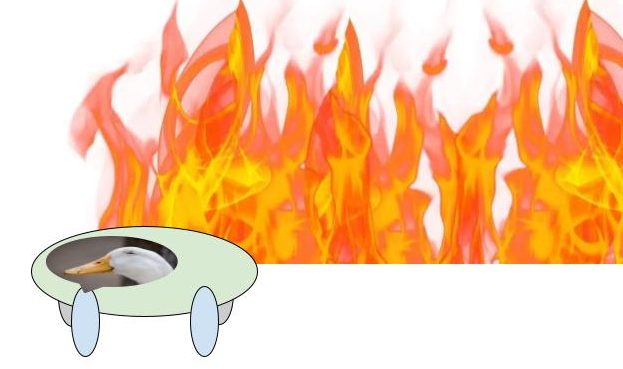
Carrying a shelter on your back makes you slow. If you want to be savvy, you could put it on some wheels, and ideally a manually powered one. 

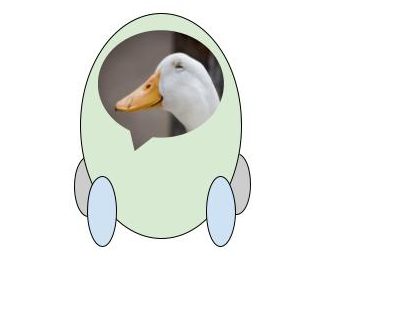
If I had the means, I would make an egg car. But I can only dream.

NED: No Electronic Days

The theme in my life goes something like this: The ocean is rich. The forest is wealthy. Boredom is bliss. 

In 2018 I adopted a day called “no electronic days,” coined NED for short. Something I began to reclaim my time and my life, NED is simple: all electronic devices are off for 24 hours. It’s digital fasting.

It’s pure coincidence that N.E.D. is also the name of Ned Ludd, the legend who led the Luddites of the 19th century against technofacism.

“The Luddites challenged the emerging capitalist system—which centered on efficiency, maximal productivity, and ultimately human redundancy—and instead championed other human values of finely-honed craft skill, community, worker solidarity, and a living wage.”

https://origins.osu.edu/article/fourth-industrial-revolution-and-ghosts-ned-ludd

So what motivated NED? Well in 2018, it happened from dissatisfaction with our growing dependency and adherence to all things digital. I was saddened by our deteriorating human connections and community in real physical spaces. So, naturally and obviously I went to grad school to make art. (Also so I could teach :))

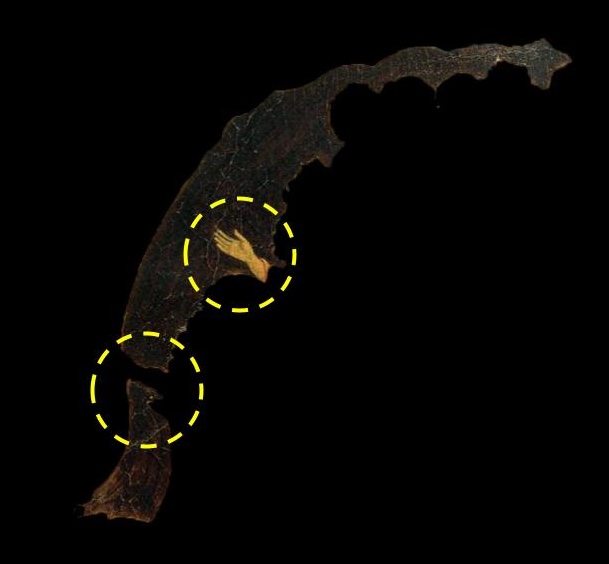
In one of my projects, “AutoSalvation,” I used Photoshop to isolate subjects in medieval paintings. The computer registered contours as blocks of information, resulting in dismembered / disembodied hands.

I performed this experiment with other early middle age paintings, staring at the floating arms and hands for hours. It felt prescient. At the same time, it was ancient knowledge: that the world would be saved or destroyed by the hand of man. I personally don’t believe this myth, but we can see how it prevails today.

More about neo-luddites :

https://www.theguardian.com/technology/2024/feb/17/humanitys-remaining-timeline-it-looks-more-like-five-years-than-50-meet-the-neo-luddites-warning-of-an-ai-apocalypse

https://nickfthilton.medium.com/do-we-have-the-wrong-luddites-fb412b3f02e4

(https://www.smithsonianmag.com/history/what-the-luddites-really-fought-against-264412/)

Creative Block?? So over it??? Lying there unmotivated???????? 

What makes us human in these ceaselessly trying times is creative making with our hands. Even if you’re not an artist or writer, making activities help us with processing complex human experiences, feelings, and thoughts.

You’ve heard or directly experienced artists and writers’ block. The need for inspiration or spark. It seems like you are either hit with inspirational fuel and work in a frenzy. Or, you try everything under the sun to tap into creative energy, but to no avail. 

Why do we go from zero to full throttle? Unless you thrive on the extremes of burn out and restoration, a balanced approach is the way to go. 

I’ve said it before and I’ll say it forever, grounding activities connecting us to our environment have short, long, and forever benefits. It benefits all that is alive. What better way to ground than with our body? Actually, it’s the only way haha!

(For other grounding activities see “Daily practice: walk for the sun 🌄🌅 🚶‍♂️🚶‍♀️”)

But this post isn’t about what to hand make, because that’s been covered in (see: tbc) This post is about grounding with our senses…a trending pop psych topic the last few years. Ground frequently to reaffirm brain routes to sanctuary spaces, or ground to also create new brain routes to interesting spaces.

I forgot, since it’s been a decade, but play as labor was a big topic in the art world. It must have been 2010, 2015, when art therapists and social and political artists were espousing the revolutionary need for play. Not just for children, but for adults as well. Play nurtures curiosity and exploration. It expands our energy into uncharted territories for personal growth. Not an upward or vertical growth, but one of satisfaction, connectedness, and well being. It’s an undirected, non outcome, non goal oriented way of being.

Now what does this all mean? Play, sensing, grounding, creative making, are all good.

SenseThing. Action.drawingWhy it works
hearPurr like a cat. Whistle like a bird. Growl like a dog. Hum a song. Enjoy the vibrations in different parts of your throat, head, chest. Fill your lungs with air, then feel it squeezing out until you’re a husk.
tbc
Nonverbal sounds we emit are ancient ways of expression. Purring/Humming can self soothe. Humming while you work also shuts out the background noise in your head. Cats purr to self soothe, and it’s said that the frequency of their purr accelerates healing. Whistling is just fun, if you can do it. Otherwise have you gutturally growled recently?
smell
Take a loooong sniff of mountain air. If you don’t have mountain handy, try a spice or natural material like cardamom, cinnamon stick, lilac, pinewood, seashell. 

Use the material itself in its natural form. The smells take you to the nonlanguage, irrational part of your brain, where instructions hold no power. It’s where empathic memories, emotions, inspiration reside.
see
Get a rubber duck or other small animal figurine to talk through your thoughts, problems, and feelings.

Programmers talk to their rubber duck to solve problems, and it’s known to work. The same can be applied to anyone for any problem. Your mind gets jogging and before you KNOW it, a candle or lightbulb turns on. When you get trapped into your own thought process, it prevents alternative ways of seeing. Talk to the duck.

touch

Hold rosary or meditation beads in your hands. It can be stone, wood, shell, jade, rose quartz. Move the beads between your fingers one by one. Repeat a single sentence mantra of your choosing. 

These calming meditative states will induce zone out/ second or third consciousness/ different mind zones/ where you can drink from the well of creativity.
Pet a soft soft soft cat or dog, with permission. Procure an alpaca fur object, perhaps a small keychain. 

Indisputably the best.

Play with a desk fidget thingy.

The barrier to entry: 0. Fun: 100%.
COMBO
Play a sound making percussion like a bell, wind chime, rocks, marbles (sound+tactile)

If you’re feeling an inner Beethoven come alive, don’t hesitate to play a wind chime, knock some rocks together, roll some marbles in your palm.
taste
Chew gum. Have a medicinal licorice, fruity lollipop, toffee, hard candy, jelly, etc. Let dark chocolate melt in your mouth. Or crunch crunch on some bones.
Now get back to playing.

🫘WE ARE ALL FLATULENT: A REMINDER TO MAKE BEANS YOUR #1 PRIORITY 🫘

🫘 BEANS LEAVE YOU SATISFIED

+its nutrients delay gastric emptying leaving you fuller for longer

+Did you know beans are legumes like lentils, peas, and peanuts, but the latter 3 are not beans
🫘 YOU CAN MAKE A MOSAIC

+You can use dried legumes to make fall mosaics of turkeys, squash, and orange-red leave
🫘 GOOD FOR EARTH, GOOD FOR BODY

Beans are low energy to grow, while providing rich nutrition

+As most know, they are great for protein and fiber, but beans also contain decent amounts of zinc, copper, manganese, selenium, and vitamins B1, B6, E, and K.

+”Because they add nitrogen back into soil, they improve farming efficiency, acting as a natural fertiliser, breaking pest and weed cycles, creating more fertile ground, and increasing crop yields over time.”- source


❗BUT REMEMBER ❗ properly soak and boil out the toxic lectins from dried beans.

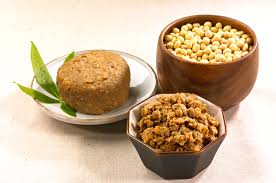
🫘 FERMENTED SOYBEANS FOR A HEALTHY GUT

Soybeans become tofu and Korean fermented bean pastes like Cheonggukjang, the earthiest and my favorite of the fermented bean pastes. 

They are a rich soup base sometimes featuring its own cubed body 😉
🫘 GREAT FOR YOUR WALLET


+The cost each for canned and dried beans are $1.59/lb, and $0.51/lb respectively –source
🫘 BEANS ARE FOREVER

+Frozen, canned, dried– beans can last longer than a relationship 
“dried beans have a minimum shelf life of one to two years, per the USDA. Unofficially, they last…basically forever.” source
🫘NEVER GET BORED WITH BEANS. SO MANY RECIPES!


As a staple in many cultures, you can try a new recipe every day for the rest of your life 

+Did you know there are 40,000 varieties of beans? 
+https://www.eatingwell.com/gallery/8030242/dietitian-favorite-budget-friendly-recipes-with-beans/
+https://www.reddit.com/user/shadowipteryx/comments/p68gzj/a_big_list_of_bean_recipes/
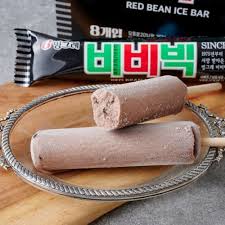
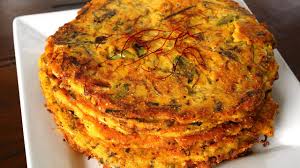
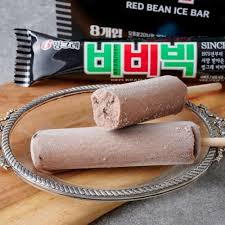
🫘DESERT BEANS, EVEN ICE CREAM BEANS!

Seasonal treats enjoyed by many

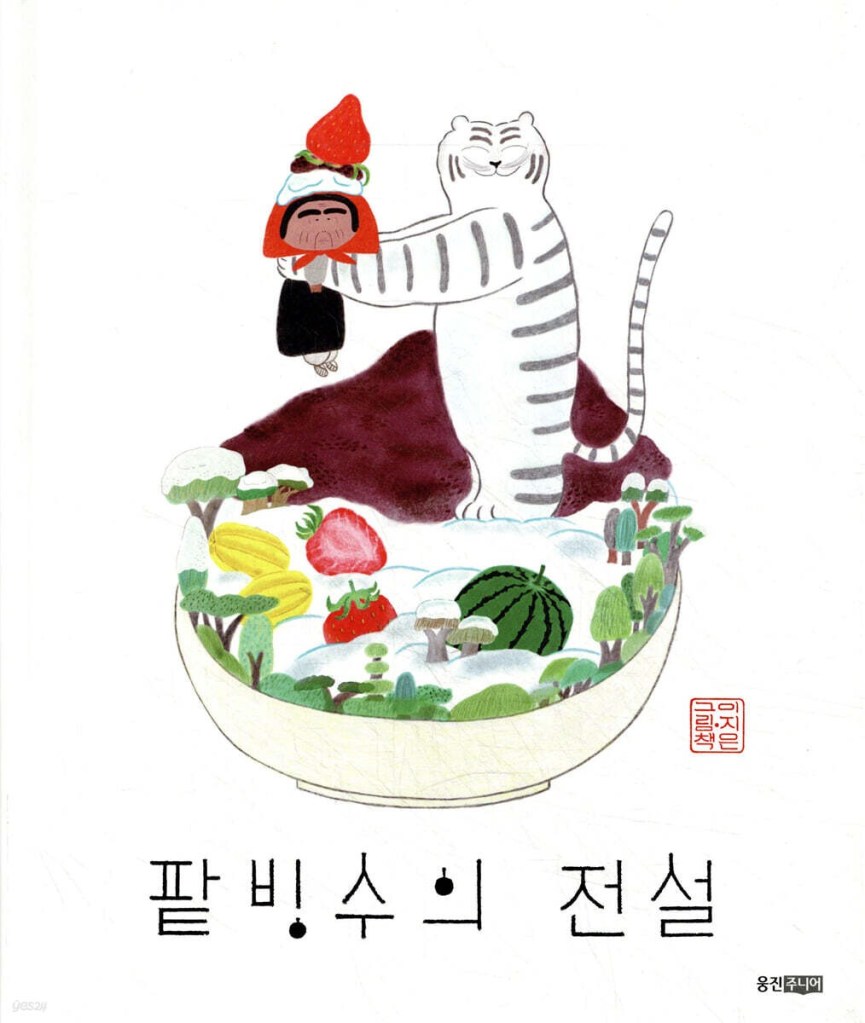
MUCH CHERISHED SHAVED ICE WITH RED BEANS DESSERT (not my drawing) 

Well well well well well well well well if it isn’t insomnia

dry desert nights, unrelenting memories, warm sleepy time tea, 2 mg of melatonin.

A cool cave like environment, blue screen, no screen, sunscreen. Hot sandy sand. The waves rumbling. The best sleeps on the sand. To count the sleepless nights I must credit my vivid imagination that yields no fruit. MY constant tormenter and collaborator.

The stars move from left to right across the sky as I tumble and squirm inside the metal box. The glass windows provide a nice viewing of the night constellation that the tent can not.

Is my anhedonia becoming worse? I cancel spotify because the last 3 months I have listened exclusively to the “little log lady” playlist of fire sounds. Even the rain and storm tracks sound too rehearsed.

i’m calculating the minimum hours i need to work in order to sustain my tortoise lifestyle. it’s great. since i can always reschedule my meetings there’s no hard commitments.

i imagine once i hit the dirt, my writing will dwindle. tortoises don’t have (opposable thumbs, language, a desire to blog).

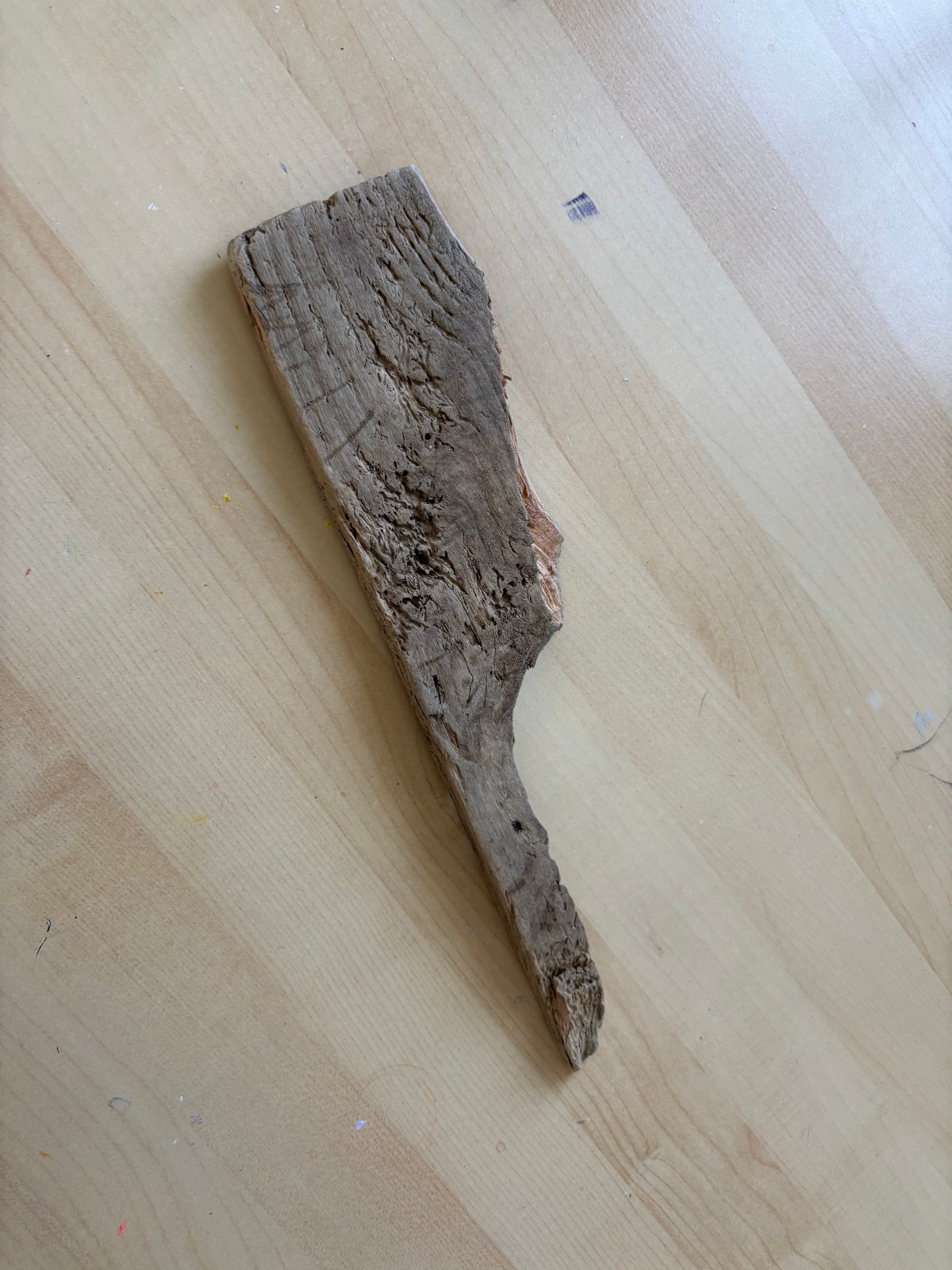
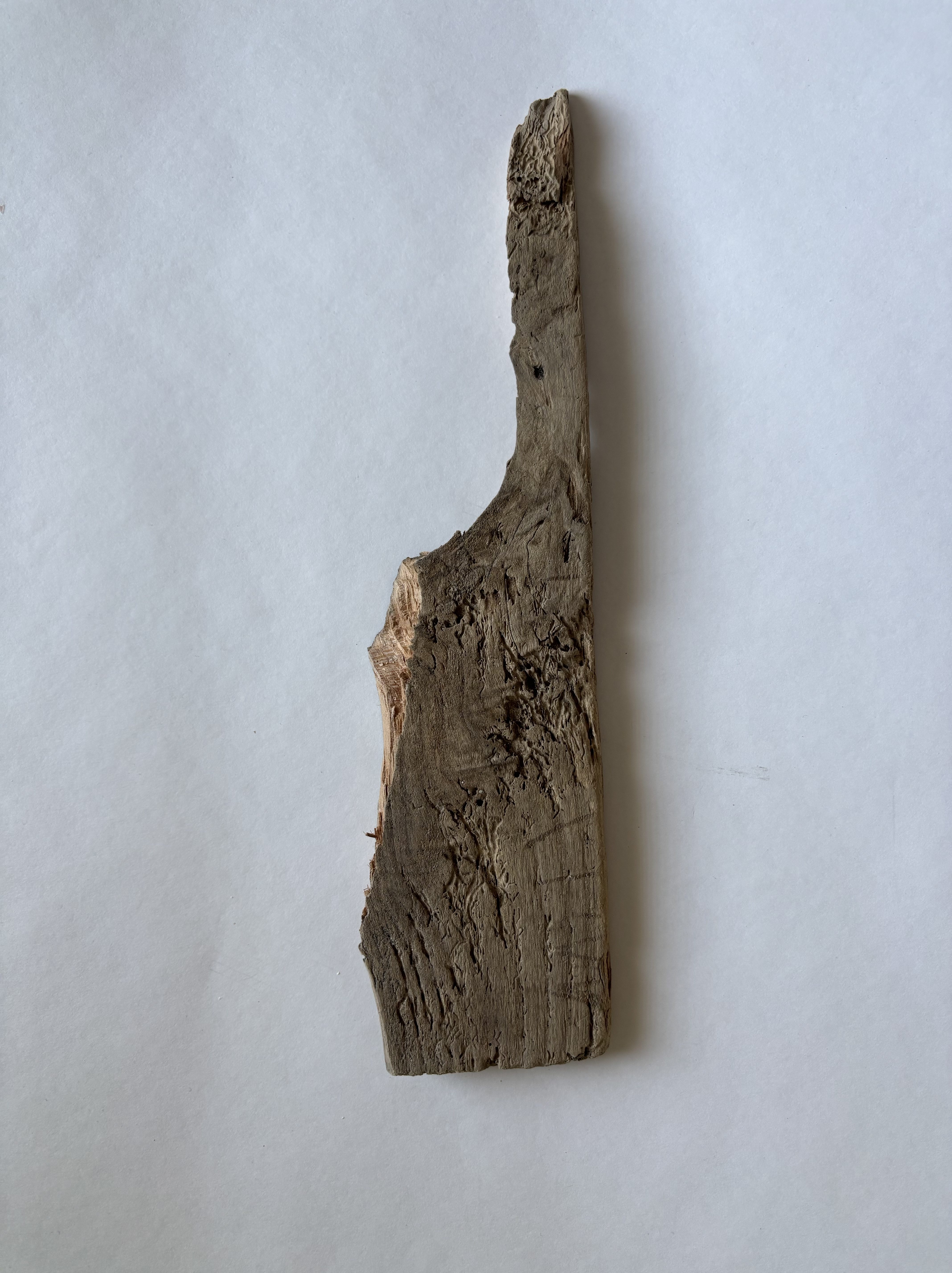
A piece of driftwood I stumbled upon this summer whispered “Don’t ignore Your Internal Compass” and why I am going to listen to it

When the World Feels PointlessIs it because we are ignoring our internal compass?

I guess I’ve been quietly grieving. It’s not a personal loss, but one of value alignment.

We are conditioned to mostly chasing—passive cultural experiences, trendy overpriced foods, variations of things we already have, collectibles, small talk that loops infinitely– filling space and time with more, more, more while neglecting to feed the soul.

We have everything we could ever need for the remainder of our lifetime and probably many lifetimes over. I have worn my mom’s polyester nylon pajamas from the 70s for years and counting. When it comes to U.S. cultural experiences, there are few accessible ones outside the fart of shopping and occasional outdoor recreation.

We receive deeper joy in effort. Things that ask something from us. We haven’t embraced a lifestyle that nurtures our internal values.

I want to go more simple. Imagining my shelter and life as human or solar powered mobility through walking or biking. I’m not thinking like a traveler, but like a tortoise. Slow life. I’m inspired by a Korean woman who biked the world. She was not a cyclist to begin with, and just took on the challenge one day, documenting the journey– the universal moments along the way. Her philosophy is “before she returns to the universe, she wants to experience the universe.”

I’m also inspired by an American medical researcher for the U.S. State Department whom I met at a Korean temple stay. As her job required her to go to remote countries for months or years, she didn’t have a permanent residence. She showed up in the coldest region of Korea with a lightweight quilted overcoat, athletic shoes, and large book backpack. She lives out of this backpack for months at a time. It is her home base.

My internal compass is getting tuned. The tortoise mindset means I cut more possessions down to essential utility and dual purpose items that fit. A spork, a drybag, fast drying shorts that double as swimwear; deep pockets to store sticks. In this state, utility meats creativity. A piece of wonky driftwood I got on the beach now triples as a lightweight digging tool, poking tool, and dirt flattener. It was MVP in the build of a sand sculpture. It’s the kind of design I love: found, natural, simple. It’s the life I aspire to design: found, natural, simple.

the life I aspire to design: found, natural, simple.

Gratitude as attitude

(mood < attitude)

When we think of gratitude, we picture it in the form of a verbal “thank you” or gift. Cats bringing their human a mouse, dogs licking their owner’s face, a friend remembering that you like banjos so they get you a tiny banjo keychain. When gifting or phrasing gratitude, we communicate or transfer those feelings. Feeling appreciation is great for the heart, and more enduring than a feeling is gratitude as a mood.

(Feeling bad after a breakup, I feel grateful for my unhinged music playlist filled with cello gobling, sun ra, and riotgrrl.)

“Gratitude is not just something we have, it can also be something we are,” says Dr. Feldstein, Stanford Chaplain. “Rather than simply knowing the feeling of gratitude, I can be the expression of gratitude that I am inside and share it with others as a way of being. In doing so, we can be a healing force for ourselves, those around us, and the world.”

Sometimes gratitude is paired with feelings of satisfaction, awe, and connection to the world. DEEP gratitude is one that endures in environments where people connect and ritualize appreciation for the land and its food. (link coming soon)

When it comes to social gratitude, it’s a bit more complicated. Maybe because culturally we are raised to solve problems on our own and not bother others, we only request help at our most desperate. When in a deep struggle, a surprise lending hand reaches out for you. Then we feel a tsunami of relief and show our appreciation (saved my life!) with gifts. Or perhaps, we channel it through formal celebrations on Teacher, Veteran, and Parent Appreciation Days to honor the hard work and sacrifices of these individuals.

Outside of of reminders and displays of thanks, how can we practice gratitude as a mood?

“Reflection is an antidote to busyness. When we are busy, we typically don’t notice the wonderful things in our lives…,’ says Dr. Feldstein. ‘Some people say they don’t have time to stop and reflect, but it’s not about time. It’s about having a readiness to notice with appreciation and gratitude what is going on in the midst of our activity.”

Although not religious, if I reflect on the times I’ve been dragged to Sunday mass half asleep, the conclusion of which was a levity and general well being, I can appreciate praise as a form of practicing gratitude. Mumbling latin, stuffy air, gospel readings, the monotonous congregational chants, prayers. Then the penultimate–“peace be with you” handshake and hug greetings with the members around you.

Reframing gratitude as an attitude, like positivity, changes how we might harness its power.

What is the difference between mood and attitude? A mood is a prolonged emotion, and per this following study:

“…a major difference between an attitude and emotion is that an attitude tends to be more stable overtime, whereas an emotion lasts for a small period of time. Attitudes are comprised of three types of attitudes – cognitive, affective, and behavioral. 

cognitive attituderepresents the advantages and disadvantages of the attitude objectFor instance, what are the pros and cons of Peets coffee? A pro could be that it is delicious, but a con could be that it is expensive! 
behavioral attitudehow our past behavior can inform our current attitudesWhen we think about our past behavior, do we typically purchase Peets or Dunkin coffee?  If Peets, then I may hold a favorable attitude toward Peets, but unfavorable attitude toward Dunkin. 
affective attitude the emotions elicited when we think about or utilize the attitude objectDrinking a cup of Peets could make me feel positive emotions such as joy and contentment, negative emotions such as guilt (maybe for spending too much money!), or even both positive and negative emotions – content and guilt at the same time! 

Thus, an attitude object can elicit certain emotions, but attitudes and emotions are separate constructs…Attitudes are typically learned or acquired through our environments such as our upbringing and relationship experiences, and again, tend to remain stable over time.

So when you’re feeling depressed, angry, or disappointed, harness your gratitude attitude to ride the wave without eating sand. Sonya might have gotten accepted to her dream school, but her dog died. Ray broke his hand and had to sit out of a career highlight basketball tournament but his girlfriend nursed him. Gratitude as attitude are the wings to help get your life out of the pits and back soaring.

https://joycemeyer.org/Grow-Your-Faith/Articles/An-Attitude-of-Gratitude?srsltid=AfmBOor9ielwD_freVb4ORlTEL2ourZI1GOnxfMMblualxmXf9EiQGIQ

Bulk Creation as a Creative Tool, Not a Trap

Although counterintuitive to creativity, sometimes we need mass output to push ourselves to the next stage.


Have you noticed how something is being sold to us every second of being on the internet? Recipe filled with pop-up ads every 2 seconds, amusing shorts between pseudo-informative videos.
Innocent people broadcast their lives, maybe trying to organically incorporate their sponsor’s products.


We don’t need any of it.


In the crowd of similar personalities there are genuine hobbyists and experts from whom you can actually learn new things. You can tell they are in it for the love, and not for material gratification. 


Some of the people I follow do pottery, farm, sew, and forage wild edibles. Some have a quirky personality or just like to have fun with their viewers—like exercising on a bike machine while painting, making daily cucumber hats to stop suffering, raising rescue opossums as a character (or real?) psychic.

They usually do their thing for years with a small, but loyal, following. They sell some things casually—like paintings, the best fertilizer, a kit. But their existence is not a money-making venture; they don’t care about gaining as many followers and having high paying sponsors. You can tell—the popular entertainment personal brands have similar styles in their presentation, editing, and sounds. 


I used to let my days meander and melt into one another as I experimented– because that’s creativity. Factory like output is for commercial artists. But making doesn’t always have to be sacred. Just because you care deeply about something doesn’t mean you have to manifest that always, immediately, and in every project as proof.


You’ve been told to separate art that you make for you and art that you make for everyone. It is not a betrayal of yourself to create for different audiences. It’s not like it’ll affect your admittance to the pearly gates.


The purpose of this post is that we can learn something from even the popular content creators. I noticed that people will have the same clothes for many videos. They bulk film content in a few days or weeks that they can spread out and publish over the course of months, possibly the whole year.


This has inspired me to try doing this for my work. Writing and painting in mass consolidation. Writing flows best in long dedicated time blocks anyway. Although counterintuitive to creativity, sometimes we need mass output to push ourselves to the next stage.


So for the months that I’m back in my studio, I’m using up my supplies to paint, draw, and film. Painting supplies are abundant, so I’ll do the most simple thing I know how to do– universally humorous animal paintings that I can produce at high output. I’ll edit and post a few videos (to hold myself accountable), scheduling publication as far out as ~2 months. Since the remaining footage can be edited from anywhere (post-production), having all the content already done eliminates the heavy production side.


Then of course there are always days we refuse to do any of it, so reducing friction by reducing steps is good life maintenance.


Living abroad once in your life

It’s true that we conform to social norms, and it’s impossible to see our compliance until we go away.

Living in another country gave me an outsider’s perspective on my American upbringing that helped me pursue a lifestyle more true to my values and beliefs.

Upon returning to California I reentered a dry utopia. Wow, the weather really is perfect…Traffic is still terrible, but people are relaxed, as if they had no where to be. Nothing to do. Houses are big and filled with stuff, but no one needs all these things. I visited friends and nothing had changed in their lives.


In the first year living abroad, it was difficult to cut through the surface of the city’s fast pace and materialism. But the more time I spent, the more opportunities I had to frequent spaces and meet people with alternative values — musicians, fruit farmers, bike travelers, artists, tech workers, and professionals of all kinds who embrace a minimalist life. Asian apartments are small and efficient, and I found myself living comfortably with much less than what I had in the U.S. Upon revisiting my parent’s house, I had reverse cultural shock. The amount of nonessential possessions people own is interesting. I already have much less than the average, and my space is mostly studio supplies. Yet, this I consider still excessive. How many articles of clothing go unworn? At 10 pairs of shoes in my closet, I could only see the need for 3.

~

Foreigners (no matter from what country) will react two ways to my American background: envy or criticism. Some think it’s all guns and violence, while others think it’s all celebrities and riches.

National media distorts other places. It’s never clear what is happening on either side until you live in both. In fact, what we see in media is what’s the least representative of a country or culture.

The more I lived in Asia, the more I could observe my American tendencies the same way growing up in the U.S. made me conscious of my Asian tendencies. While I’m usually open, this experience made me see the contrast between my western “unprompted directness” versus eastern “deliberate engagement.”

Furthermore as a nature person, I never pictured myself enjoying the city bustle. Yet the plethora of hills, mountains, parks, streams, river, all within a dense concrete stack, plus accessible buses/trains to other parts of the country, make urban life breathable. The initially overwhelming connectivity and speed became a useful aspect as my body and the city soon shared a pulse.

The mobility means I can go cross country, camping or staying in cheap accommodations. Even for road trips, because there are regular rest stops with bathrooms and food, I feel safe to sleep in the car, something I wouldn’t do in the states.

Living abroad helped me see that a different life was viable. In fact, it was more than viable. It was vital in my self development. Removing myself from my default settings gave me a chance to do comparative analysis of two different worlds within myself, helping me lead a more meaningful life.

Gloomy days can be good days: flipping the tone

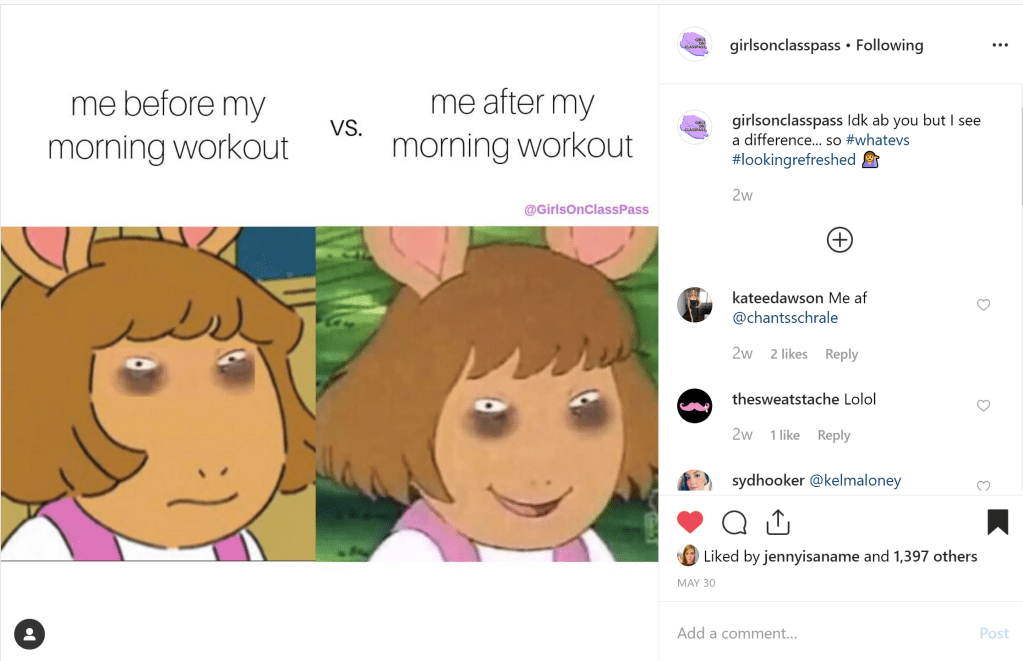
I woke up today feeling groggy, probably from another strange dream with shapeshifting friends and roads going nowhere. I cranked my eyes open before the unconscious world could drag me back into a sticky slumber. Leaping from bed to office chair in 5 seconds, I started writing in hopes that my brain would believe and enact a good day ahead.

Having a good day consists of the following:

Good food, good company, feeling good, being good. If half of these are present, I’d be having a good day. If all are present, that’s a great day.

obligatory prescription: for how best to wake up each day:

  1. get substantial exercise the day before;
  2. sleep longer and later than you typically do;
  3. eat a low sugar breakfast rich in complex carbohydrates, with a moderate amount of protein
  4. pay attention to your body’s glucose response after eating.

A) Good food– I know people who eat the same sandwich for lunch and are content. Whatever good food is to you is perfect, as long as its not all unhealthy. Balance is key. For myself, I love some crunchy veggies and fruits. I discovered a satisfying tangy ranch popcorn seasoning when I’m feeling decadent. (The entire bottle is 195 calories which will take a while to get through.)

You can never skimp on the god of foods, protein. I go for the ease and nutrition of boiled eggs, fish, beans, and less frequently, delicious beef stews and pork belly.

My personal favorite meals- juicy street tacos cut with fresh red and green salsas, soothing savory and herbal pho, a big stomach filling bowl of bibimbap made from stir fried wild greens, julienned veggies, earthy mushrooms stirred in gochujang and sesame oil, warm gnocchi made from golden potatoes riced with a slotted spoon and tossed in a pea, sun dried tomato, hot chili oil, butter garlic sauce. Anything chocolate. Frozen treats like chocolate covered frozen bananas rolled in toasted chopped walnuts, peanuts, sea salt. Or a DIY peeled mini mango popsicle. Lots of water. My coffee with a thick cloud of foam. Pickles.

B) Good company – Spending time with people who accept, care, love, challenge you. Hanging out with those with similar interests or values. These will be family, friends, coworkers, classmates, community members, strangers at the gym without whom you will never exchange a word or even a glance, but who are with you in a shared space to focus on the same goal. It can be fellow movie goers, the number of which will not matter. In the dim theatre you are laughing and sniffling together. Good company in good spaces.

C) Feeling Good – Being active (walking, exercising, standing/stretching), giving a big stretch, journaling, reading a page out of book, chatting, listening to music or enjoying the arts. Unscheduled time alone, being without anything that requires attention. Doing the responsible things and doing the carefree things.

And feeling good even though it feels bad at first can be tackled as follows:

According to one internet user:

“Like, I started the workout routine by spending 3 weeks just getting out of bed, putting on my running shoes and workout clothes (not in that order) and just standing outside my door. Spent weeks literally just practicing going outside in the morning, until that stuck as a habit. Then I started by practicing jogging 10meters/yards for a few weeks, and then I progressed from there. Now I run 5-8km each time.”

D) Being Good – Helping others, asking and receiving help from others, expressing gratitude, self reflection. Working on projects and short term or long term plans. Remembering good times, letting go of bad times.

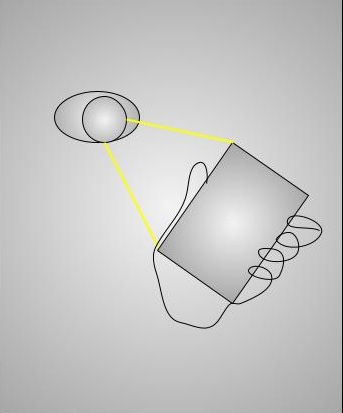
It’s also a healthy practice to limit screen use and passive consumption. Whenever we work on the screen, I’m sure it is now common knowledge to take frequent eye breaks. The American Academy of Ophthalmology recommends the “20-20-20 rule for adults who work on a computer. This rule suggests that individuals look at something 20 feet away for 20 seconds every 20 minutes of the day.”